
Trainer Delivery & Facilitation Skills
Trainer delivery and facilitation skills focus on how training is presented, managed, and experienced in real learning environments. This hub brings together practical guidance on facilitation techniques, session structure, learner engagement, and effective delivery for in-person, virtual, and blended training. Use the sections below to explore training design principles, materials development, and delivery techniques in more detail.
What Do Strong Training Delivery and Facilitation Skills Help Trainers Do?
- Deliver engaging, well-structured training sessions
- Manage group dynamics and encourage participation
- Adapt delivery styles for different audiences and formats
- Maintain learner focus in longer or complex sessions
- Create confident, professional training experiences
Practical Training Delivery & Facilitation Techniques
Effective training delivery means providing clear explanations, directed questioning, good pacing, and the ability to build rapport with learners. Good facilitators are also able to adapt to learner needs, manage difficult participants and group dynamics, and keep each session focused on its learning objectives.
If presentation delivery is something you want to work on, have a look at our presentation skills for trainers guide, with tips on voice, posture, movement, and body language.

How Trainers Can Make Corporate Workshops Fun and Engaging for Adult Learners
Want to transform dull training into sessions your learners look forward to? This guide shows how to add energy and interactivity to your workshops using icebreakers, gamification, room setup tips, and more.
Read how to make your corporate training more fun and effective →

How to Use Activities in Workplace Training Effectively
To make training sessions fun and engaging, using training activities can really help.
Learn about using training activities at work →

10 Proven Ways to Keep Adult Learners Engaged in Your Training Session
Want to boost attention in your training sessions? From body language and voice control to active learning and storytelling, these 10 proven techniques help you keep adult learners focused and energized.
Take a look at all 10 engagement strategies →

50 Icebreakers & Energizers for University and College Learning Sessions
Want to start your sessions with energy and connection? These 50 fun icebreakers help students open up, build rapport, and feel at ease. They are ideal for orientation week or the first day of class.
See all 50 icebreakers for university and college students →
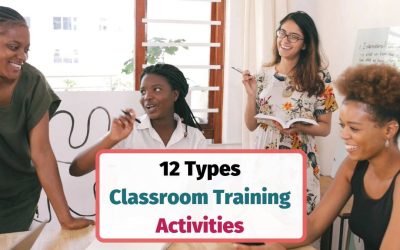
12 Types of Classroom Activities for Adults (With Practical Examples)
Not all adult learning happens through lectures. From problem-solving tasks to interactive quizzes, explore strategies that make your classroom dynamic, inclusive, and effective.
See all 12 activity types with examples →

How to Give Effective Feedback – Day 5 Trainers Bootcamp
Tips on giving effective feedback and how to get feedback as a freelance or corporate trainer from participants, learners, and students.
View all training delivery and facilitation articles →
What Is the Difference Between Training Delivery and Facilitation?
Training delivery is about how we present content clearly and how we help learners achieve the learning objectives. Facilitation focuses more on guiding discussion, asking questions, managing participation, and helping learners contribute to the learning process. Effective workplace trainers usually use both.
Running Effective Training Sessions & Workshops
These articles explore how to structure and run successful training sessions, from workshops and activities to room setup and session length. The focus is on creating smooth, engaging learning experiences that support adult learners.

What Is the Most Effective Seating Plan for Training Rooms and Classrooms?
Which seating layout boosts engagement the most—U-shape, cluster, or cabaret? Find out which setups best support collaboration, presentations, or group work, and why flexibility matters in today’s training spaces.
Learn how to choose the right seating plan for your session →

How to Organize a Training Workshop for Employees: 8 Proven Tips for HR & Trainers
Planning a training session and feeling overwhelmed? This guide breaks down the essentials, from venue and materials to marketing and follow-up, so you can run stress-free, effective workshops that make a real impact.
Take a look at the full checklist and planning tips →
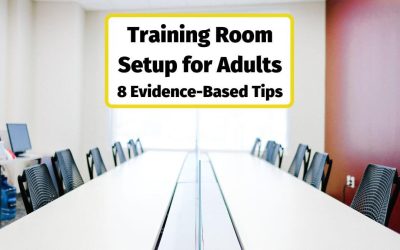
Training Room Setup for Adults: 8 Evidence-Based Tips for HR & Corporate Trainers
A well-designed training room does more than look good. It can also boost participation and retention.
Understand how to improve your training sessions →

10 Common Workplace Training Mistakes — and How to Avoid Them When Running Your Own Workshops
Ever turned up to a training venue only to find it locked, freezing, or missing vital equipment? This guide helps you sidestep the 10 most common and preventable workshop disasters.
See how to avoid these training day setbacks →
View all running effective training sessions articles →
Virtual, Classroom, and Blended Training Delivery
This section covers delivery considerations across different training environments, including classroom, online, and hybrid settings. It includes guidance on tools, presentation techniques, and adapting delivery for modern workplace learning.

21 Free Fun Icebreakers for Online Teaching, Students & Virtual and Remote Teams
Looking for ways to energize your virtual classroom? These 21 free icebreakers are perfect for online teaching, helping students feel connected, engaged, and ready to learn—whether you’re on Zoom, Teams, or another platform.
Take a look at all 21 virtual icebreakers →

How to Use Our Training Course Materials if You Are Teaching Online in a Virtual Classroom
Moving to online training? Our course materials are now fully adaptable for virtual delivery, complete with online-friendly activity guides and breakout room tips to support remote learning.
Learn how to teach effectively online using our training packs →

7 Tips for Engaging Online Students and Motivating Them
Finding it tough to keep students focused online? These seven proven techniques, from using breakout rooms to planning in 15-minute chunks, can transform your virtual sessions into engaging, interactive experiences.
Learn what makes online teaching more effective and enjoyable →
View all Virtual, Classroom, and blended delivery articles →
You might also want to explore our ready-to-use corporate training materials →
You might also be interested in doing a Train-the-Trainer course online?
For an overview, also see our 15 corporate training tips for delivering better in-house workshops.