
Employee Coaching & Mentoring Tips for Managers
Employee coaching and mentoring are practical ways to help staff develop skills, share knowledge, and grow with the support of structured feedback and guidance.
- Understand the difference between coaching and mentoring
- See examples and activity ideas you can use in training
- Learn approaches for supporting staff career development
These methods not only help employees gain confidence and feel supported, but they also give managers a framework for guiding career growth. By encouraging open communication and teamwork, coaching and mentoring build stronger workplace relationships. In this section, you’ll find a mix of tips and models, from reverse mentoring to multigenerational strategies, that you can apply at work.
Employee Coaching and Mentoring Guides and Training Materials

The GROW Model for Coaching Employees in 4 Easy Steps & the GROW Model Benefits
The GROW model is an easy-to-use framework that makes coaching easier.
The model uses reality, options, the way forward, and goal setting to set in place a logical plan.
Learn about the GROW model for coaching and providing mentoring for employees. →
10 Mentoring Activities for Adult Training & Teaching
If you are running workshops on mentoring skills, we have 10 free-to-use mentoring training activities that you can be use both for classroom workshops and for e-mentoring via online virtual platforms.
See the free mentoring activities and exercises →

7 Ways to Leverage Social Learning in the Workplace
Learn how to apply Bandura’s social learning theory for success in the workplace. Social learning is a great strategy to drive employee engagement and for effective learning and development.
Read about using social learning in the workplace →

Mentoring Skills Training Materials
Resources for trainers to teach practical mentoring skills, including communication, feedback, and structured mentor-mentee relationships to support professional growth and knowledge sharing across teams.
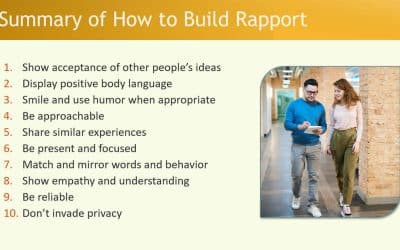
10 Practical Ways to Build Rapport in Mentoring & Coaching
What makes mentoring and coaching truly effective? These 10 tips, ranging from body language to empathy, help you create trust, open communication, and authentic connections in every session by building rapport.
See all 10 ways to build trust and rapport →

What Is the Difference Between Coaching and Mentoring?
Mentoring vs coaching vs training vs counseling vs consulting. Learn about the 4 quadrants, past problems, and future solutions.
Read about the differences between mentoring, counseling, and coaching →

7 Spiral Coaching Steps Model for Leadership Coaching (With Practical Workplace Examples)
Want a coaching method that works in real conversations, not just theory? This model guides new managers through vision, planning, and review — all while staying flexible.
See how the 7-step spiral model supports real growth →

Coaching Skills for Managers Training Materials – Coaching Conversations Toolkit
Downloadable resources for trainers to teach coaching skills that build confidence, strengthen performance conversations, and support collaborative problem-solving across teams.

How Do You Create a Career Development Plan for Employees?
Learn how to create a career development plan for employees using a practical framework and template, and explore benefits such as reduced employee turnover.
Learn about creating a career development plan for employees →
What Is Reverse Mentoring and How Does It Benefit the Workplace?
Explore the benefits, challenges, and steps for starting a reverse mentoring program.
Learn all about reverse mentoring. →
How Can Coaching and Mentoring Support a Multigenerational Workforce?
Many workplaces these days have employees from a wider range of age groups than in the past.
For mentoring, this creates opportunities for employees to share a wider range of skills, knowledge, and experience.
This diversity can also bring innovation, provided we create good communication and collaboration opportunities in our workplace.
There are also some issues when we have baby boomers and Gen X working with Millennials and Gen Z, but Mentorship can be a great way to overcome multigenerational workforce issues.
Coaching and Mentorship can be used to bridge the gap through mutual learning and understanding when different age groups teach each other useful skills.
Reverse mentoring, where younger employees teach their more experienced and senior colleagues (such as how to use the latest technologies) is a classic example.
Looking for more training topics? Explore our full Workplace Training Hub.
Also learn more about providing training on managing a multigenerational workforce.
Coaching Skills Training Materials for Trainers
These ready-to-deliver resources are ideal for HR professionals and facilitators running coaching workshops or internal leadership programs.
